
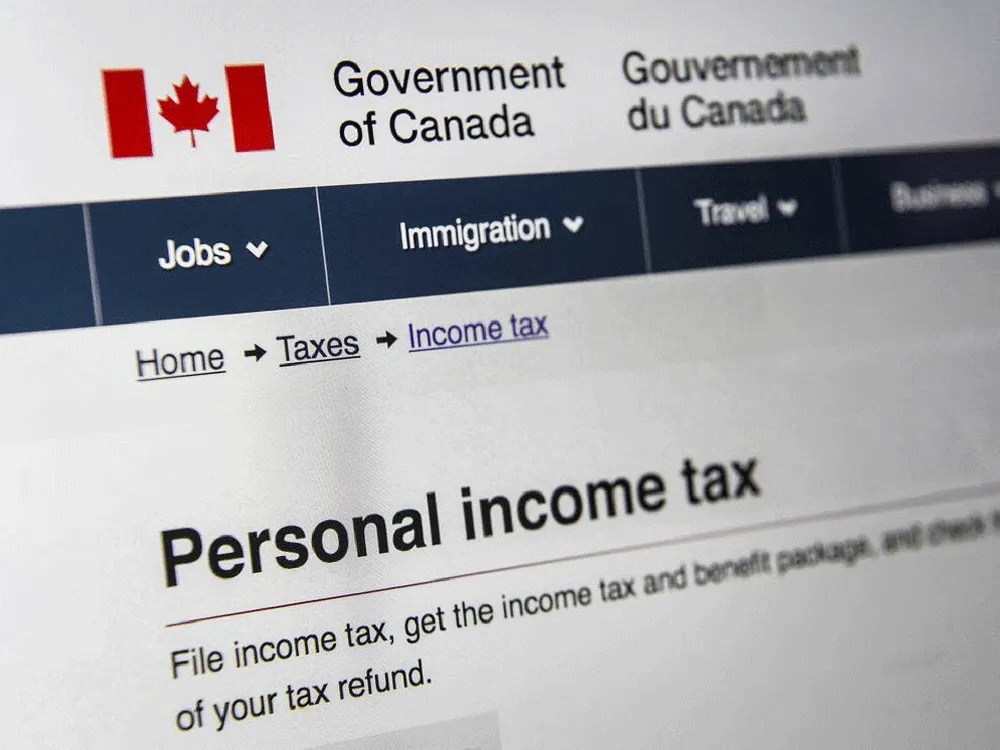
- What is tax?
Definition of tax by CRA (Canada revenue agency):
Tax: A compulsory financial contribution imposed by law to raise government revenue.
The tax is the pre-determined percentage that government charges on any type of income earned in Canada, whether it is from employment, self-employment, or corporations etc.
Before Confederation
The colonial governments collected taxes, usually through customs duties, and sent them to the two mother countries, England and France.
After Confederation Canada became a country (1867)
- why do we pay it or why does the government charge us the tax?
In times of the kingdom, people used to pay taxes in the form of services and goods to the rulers of the kingdom. Lately, with the introduction of paper and coin money, the trend changed to paying taxes with financial instruments (money).
In Canada, the mechanism of charging taxes is old, but it took, real shape during WORLD WAR I, which brought new tax act to fund the war, then from there, it evolved with the time and needs of government.
Governments cannot operate without money, to have a steady supply they charge taxes to residents. And income tax is the largest revenue for the Canadian government.
The government charges us the taxes to increase its revenue to fund the government expenditures and fulfill their responsibilities, and the responsibilities are divided into the federal and provincial governments.
Federal is responsible for: defense, railway, and roads, etc.
The provincial government is responsible for: education, medical, and, welfare, etc.
- Types of taxes levied in Canada.
There are several types of taxes that we pay as the residents of Canada.
- Income taxes (individuals and businesses)
- Capital gains taxes (on sales of tangible assets)
- Property taxes (on properties primary/rentals)
- Sales taxes (GST/HST and, PST)
- Health services taxes (to provide free health care – includes in provincial taxes)
Why the taxes are too high?