
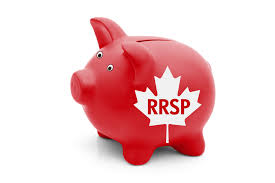
We regularly get inquiries from our customers about RRSP (Registered Retirement Savings Account), the most asked questions are:
- What is RRSP?
- What are the benefits of putting money into RRSP?
- Can I withdraw money from RRSP?
Let’s throw some light on these questions.
First thing first, as its name suggests it’s designed to save for retirement, and it is one of among other registered accounts such as TFSA(Tax-Free Savings Account) and RESP(Registered Educations Savings Account). RRSP is a registered account, which means the government created this account back in 1957. There are some rules that account holders and account administers have to follow.
Secondly, the best advantage of opening this account is that whatever an individual put in this account, it becomes a tax deduction for that particular year. For example,
Joe, is working as an employee and his gross income for the 2019 year is $60,000, let’s assume that Joe has some saving in his checking account and he came to us to file taxes and he asked us if there is any way I can save on taxes, once we looked at his taxes we found that he never used any of his RRSP room. We suggested him to put some money in RRSP.
After getting advice from us he decided to put his savings in an RRSP account, for the tax year 2020, and the total he put in is $5,000. Let’s assume he has the same income as 2019($60,000), although he has paid taxes on $60,000 because he has invested $5,000 in RRSP, he would be getting a $5,000 deduction, so he supposes to pay taxes only on $55,000 (60,000 – 5000), Joe will be getting a tax refund of whatever taxes he has paid on 5000 (60000 – 55000).
Now that we have covered the tax advantage of RRSP Account, let’s move on to look into ways to get money out of RRSP before retirement.
- First Time Home Buyers Plan: Individuals can withdraw up to 20000 from RRSP tax-free, provided this money has to be paid back in 12 years, equal monthly installments.
- Life-Long Learning Plain: If Joe decides to go back to school, he can get a maximum of 20000 tax-free from the RRSP Account provided this money has to be paid back in 15 years, monthly equal installments.
- Straight Withdrawal: Joe can withdraw money without the above reasons, but the issue here is that whatever he will withdraw will be added to his annual income in that particular year. Let’s say Joe withdraws $10,000 and has an income of 60000 from employment, now that 10000 will be added to his total income, his total income for 2021 would be 60,000 + 10,000 = 70,000, and has to pay income taxes according to 70,000 income.
In contrast, if you are high enough that you are able to set aside some funds it’s better to invest in RRSP so that your money grows tax-free and you get a tax deduction of your contributions to RRSP, which reduces your tax payables.
If you have any questions regarding RRSP feel free to contact us.